PROBLEMMONEY3 BOOKS · 3 FIXES

I live paycheck to paycheck

Living paycheck to paycheck usually comes from 1 of 3 gaps: no cash buffer, saving only what's left at the end of the month, or spending that rose with every raise. Each book below closes 1 of them.

Find your fix in 1 tap

Where does your paycheck go wrong?

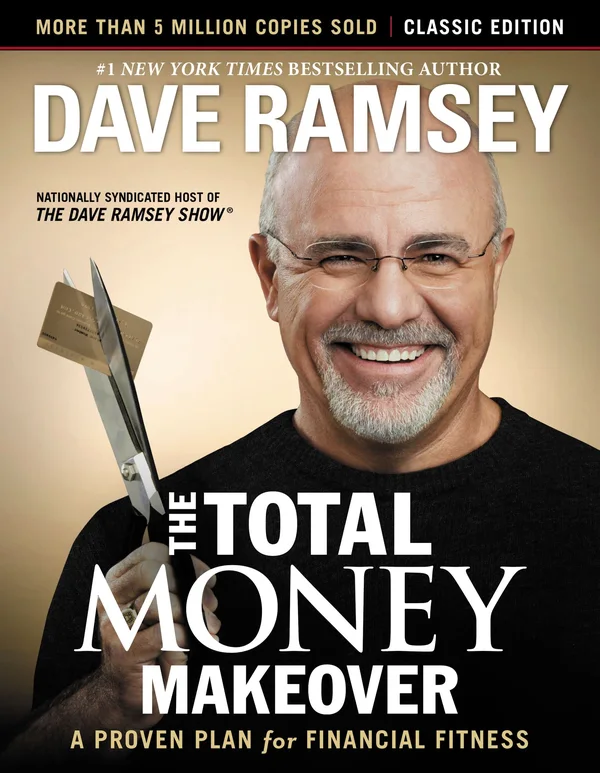
The Total Money Makeover cover

Fix 1 · The Total Money Makeover · Dave Ramsey

Build a $1,000 buffer first

Ramsey's first step comes before any debt plan: put $1,000 in cash aside, and do it fast. He tells readers to sell things they don't need, take on extra work and cut spending hard until it's there. Then the next surprise bill gets paid from savings, not from a credit card.

Chapter 6: Save $1,000 Fast

Try it today

List 3 things you own and don't use. Sell 1 this week and put the money in a separate savings account.

Best if: 1 surprise bill sends you back to zero.

Which chapters to readGet the book
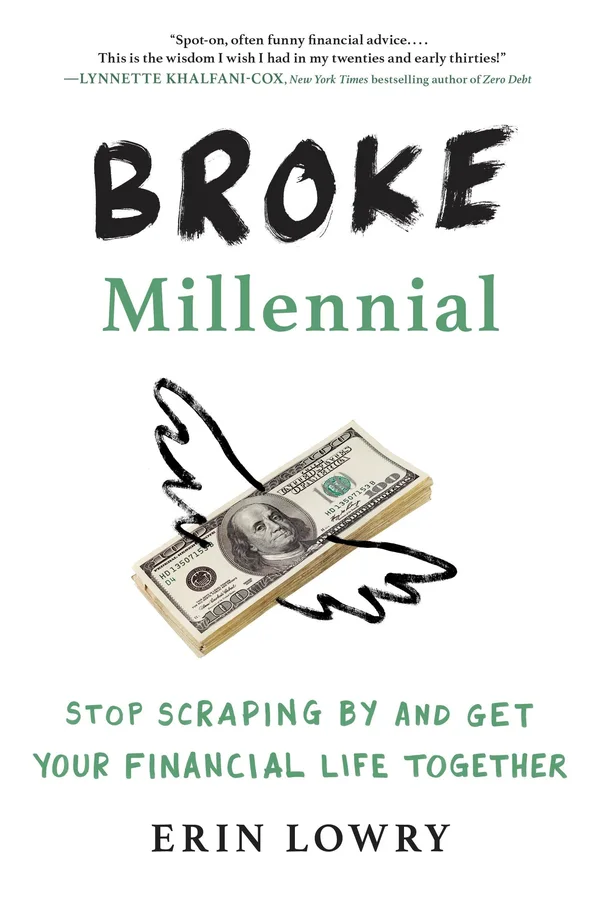
Broke Millennial cover

Fix 2 · Broke Millennial · Erin Lowry

Save on payday, not with what's left

Lowry takes on a common question: why save at all while you still owe money? Her answer is to pay yourself first. Money goes to savings as soon as your pay lands, before bills and spending, so saving stops depending on what's left at the end of the month. Without savings, the next surprise cost goes on a card and the debt grows.

Chapter: Pay yourself first

Try it today

Set up an automatic transfer to savings for the day after payday. Start with an amount small enough that you won't cancel it.

Best if: Nothing is ever left to save by the end of the month.

Which chapters to readGet the book
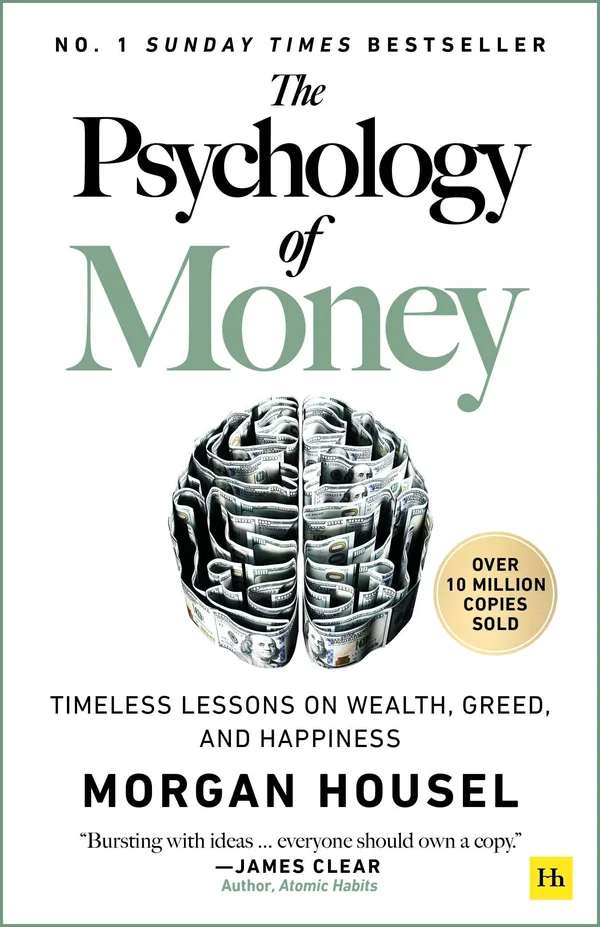
The Psychology of Money cover

Fix 3 · The Psychology of Money · Morgan Housel

Savings are income minus ego

Housel argues that building wealth has little to do with your income and a lot to do with how much you save. Past a certain income, he says, what you need is just what sits below your ego. Much of the spending that grows with each raise is about how you look to others. He adds that you don't need a goal to save: savings buy you options when things go wrong.

Chapter 10: Save Money

Try it today

Pick 1 cost that went up when your pay went up. If it's there for how it looks, cut it this month and save the difference.

Best if: You earn more than you used to and still run out.

Which chapters to readGet the book

Try 1 today · tap it when done

Reader results

Testing opens with the first readers.

Start your 30-day test below. On day 30 you tell us if it worked, and this panel shows which fix readers kept.

Test your fix for 30 days

Pick 1 fix. Tap each day you did it. Saved on this device.

Day 30: did it work?

From The Useful LifeRead to TransformPick the fix that fits, turn it into a 30-day pact, and track it on paper. A journal made for exactly this.See the journal

Quick answers

How do I stop living paycheck to paycheck?

Build a small cash buffer first (The Total Money Makeover), move money to savings as soon as you're paid (Broke Millennial), and keep your spending from rising with every raise (The Psychology of Money).

Should I save money if I still have debt?

Erin Lowry says yes in Broke Millennial: pay yourself first, so a surprise cost doesn't add to the debt. Dave Ramsey also starts with $1,000 in savings before his debt snowball.

Your next 3

Lessons from real books, 3 times a week

The Useful Life newsletter: 1 lesson every Monday, a worksheet every Wednesday, 3 useful finds every Friday. Free.