PROBLEMMONEY3 BOOKS · 3 FIXES

I don't know how to start investing

Most people who never start investing are stuck on 1 of 3 things: they don't know what to buy, they think they need to learn more first, or they're afraid of losing money. Each book below fixes 1 of those.

Find your fix in 1 tap

What stops you from starting?

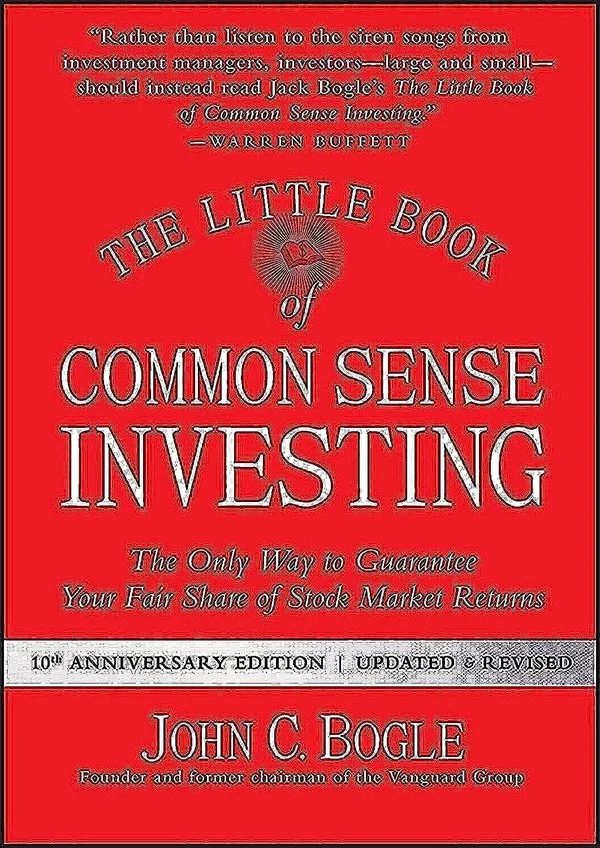
The Little Book of Common Sense Investing cover

Fix 1 · The Little Book of Common Sense Investing · John C. Bogle

Buy the whole market, not a guess

Bogle's math is simple. All investors together own the whole market, so as a group they earn the market's return before costs. After fees and trading costs, the average investor has to trail it. His answer: stop hunting for the 1 winning stock or fund, and hold a low-cost index fund that owns the whole market.

Chapter 4: How Most Investors Turn a Winner's Game into a Loser's Game

Try it today

Look up the yearly fee (the expense ratio) of 1 fund you own or are thinking about. Compare it with a broad market index fund.

Best if: You don't know which stock or fund to pick.

Which chapters to readGet the book
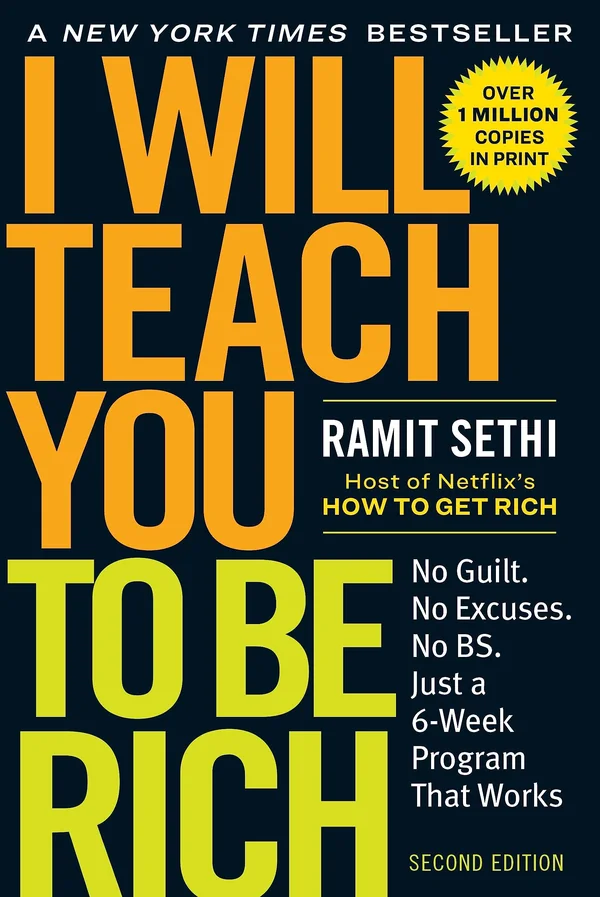
I Will Teach You to Be Rich cover

Fix 2 · I Will Teach You to Be Rich · Ramit Sethi

Start with 1 simple fund

Sethi says you don't need to be an expert or time the market to start. For most beginners he points to a single target date fund, which spreads your money across stocks and bonds and gets more cautious as the year you picked gets closer. Then you automate a monthly amount and leave it alone. His fund examples are American, but the idea works anywhere.

Chapter 7: Investing Isn't Only for Rich People

Try it today

Pick 1 small amount you could invest every month without missing it. Write it down with the date you will set up the automatic transfer.

Best if: You keep waiting until you know enough to start.

Which chapters to readGet the book
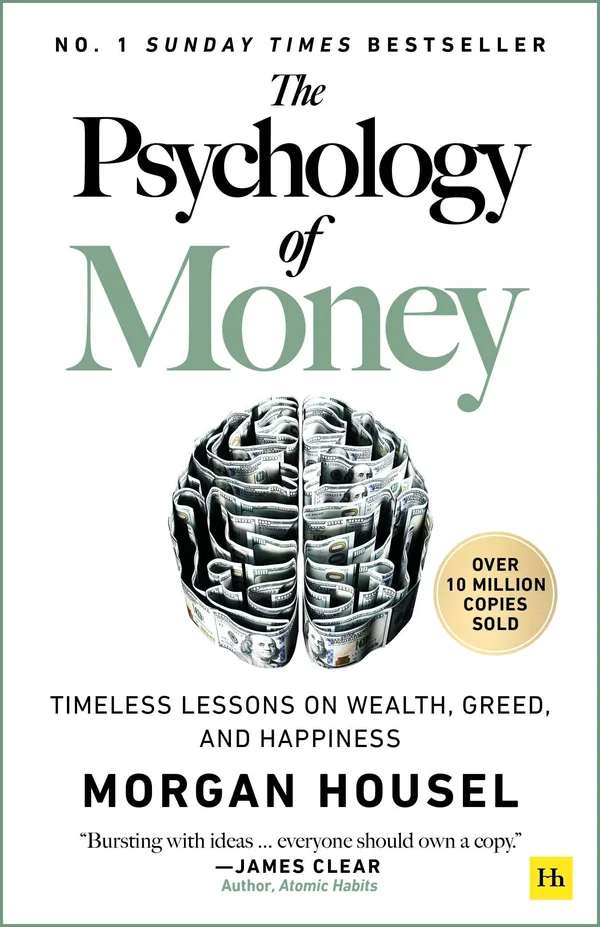
The Psychology of Money cover

Fix 3 · The Psychology of Money · Morgan Housel

A market drop is a fee, not a fine

Housel says investing returns have a price that isn't on any tag. You pay it in volatility: the years your money drops and you feel foolish for holding on. If you see those drops as the fee for long-term returns, you can stay put. If you see them as a fine for a mistake, you sell at the worst time.

Chapter 15: Nothing's Free

Try it today

Write 1 line to read when the market falls: this drop is the fee, not a fine. Keep it where you check your account.

Best if: Fear of a crash keeps your money sitting in cash.

Which chapters to readGet the book

Try 1 today · tap it when done

Reader results

Testing opens with the first readers.

Start your 30-day test below. On day 30 you tell us if it worked, and this panel shows which fix readers kept.

Test your fix for 30 days

Pick 1 fix. Tap each day you did it. Saved on this device.

Day 30: did it work?

From The Useful LifeRead to TransformPick the fix that fits, turn it into a 30-day pact, and track it on paper. A journal made for exactly this.See the journal

Quick answers

How do I start investing as a beginner?

Hold a low-cost fund that owns the whole market (The Little Book of Common Sense Investing), automate a small monthly amount into 1 simple fund (I Will Teach You to Be Rich), and decide now that market drops are the price of long-term returns (The Psychology of Money). These are the books' ideas, not personal financial advice.

Which book should I read first to start investing?

The Little Book of Common Sense Investing if you don't know what to buy, I Will Teach You to Be Rich if you want a step by step setup, and The Psychology of Money if fear of losing money holds you back.

Your next 3

Lessons from real books, 3 times a week

The Useful Life newsletter: 1 lesson every Monday, a worksheet every Wednesday, 3 useful finds every Friday. Free.